Major Characteristics of Titanium Alloy AMS 4911
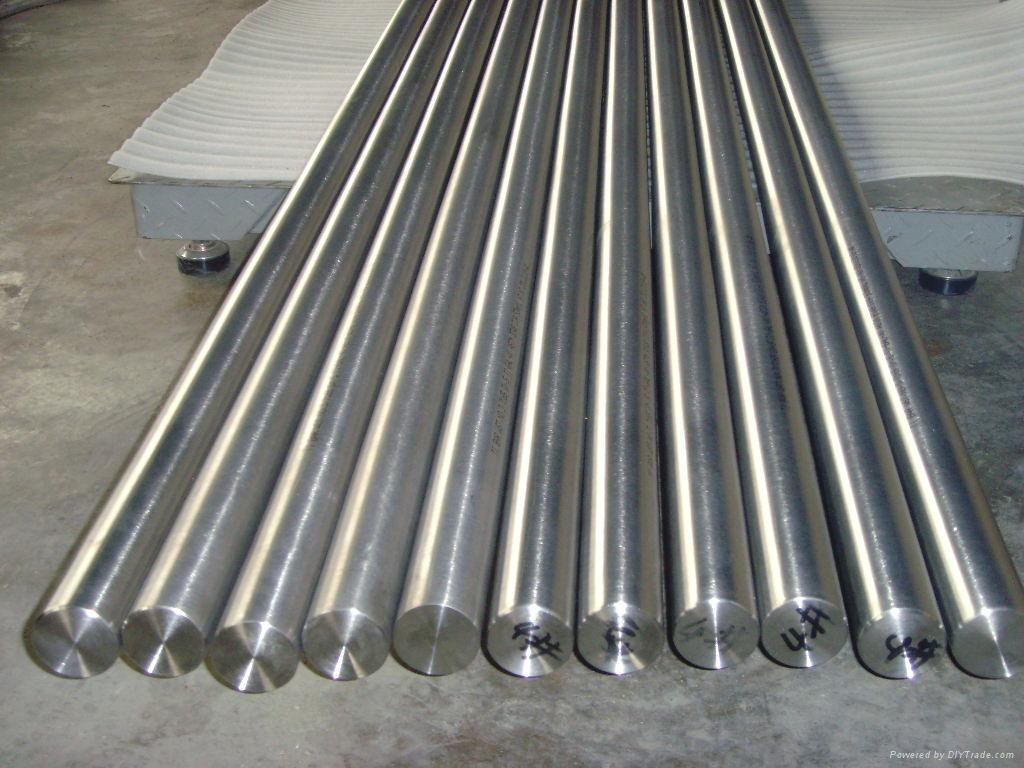
Titanium, both commercially pure titanium and titanium alloys, is an extremely versatile material known for its beneficial characteristics. It is popular in various industries like aerospace, automotive, medical, military, etc.
Summary of Titanium Characteristics:
- Excellent Corrosion and Erosion Resistance
- Best Strength-to-Weight Ratio
- Light Weight
- Extreme Heat-Resistance
- Heat Transfer Capability
- Better Oxidation Capabilities
- High Melting Point
- Low Elastic Modulus
- Low coefficient of thermal expansion
- Can be alloyed with other elements to make various titanium alloys
High Corrosion Resistance - If you are looking for a corrosion-resistant material, titanium will be the best choice for you. As titanium forms a layer of titanium dioxide on its surface, it is resistant to corrosion, cracking, pitting, and other unwanted changes. Corrosion resistance increases titanium durability and lifespan, making it last for years regardless of where you use it, outside or indoors.
Light Weight - Titanium is an impressively lightweight metal, having a weight around 60% lighter than iron and 40% lighter than copper. As it is not too heavy, it is useful for applications like aircraft or building structures, where lightweight metals are preferred.
Best Strength-to-Weight Ratio - When it comes to manufacturing, materials‘ weight is required to be carefully considered. However, heavy materials aren’t always bad; lighter materials are commonly preferred for various reasons. Strength-to-weight ratio and better tensile strength of titanium make it an amazing material. Not only it is around 40% lighter than steel, it is just as strong. It is twice as strong as aluminum which is the most popular material in the aerospace industry. Titanium and titanium alloys are among the strongest materials available, making them unquestionably suitable materials for many industries.
High heat resistance and melting point
Titanium has a melting point of about 1668°C, which is higher than steel and aluminum. Titanium’s fantastic qualities work perfectly even in extreme environments. Thanks to its extreme heat resistance, titanium maintains its strength even in extremely high temperatures. That’s why titanium is the second most common material in the aerospace industry and also a popular material for high-performance sports car engines.
Low Coefficient of Thermal Expansion - The rate at which a material expands when the temperature increases is known as the coefficient of thermal expansion. The lower this rate, the less a material changes its shape when heated. Titanium’s thermal expansion is low, especially in comparison to other metals, including aluminum and steel. This means any product which is manufactured from titanium alloys like AMS 4911 is unlikely to distort due to temperature changes. That’s why it is a great and rigid material suitable for many applications.
Conclusion: Titanium and its alloys are not just suitable for aerospace applications but for various industries due to their favorable characteristics. Therefore, as a manufacturer, you should evaluate titanium alloys according to your product to know if it’s suitable for you. If you are looking for a titanium supplier, you are recommended to choose FlightMetals as your go-to supplier of titanium products like AMS 4904, AMS 4965, AMS 4919, AMS 6930, AMS 4911, Titanium 6242, and AMS 6931.
