Special Properties and Characteristics of Nickel Alloy AMS 5663
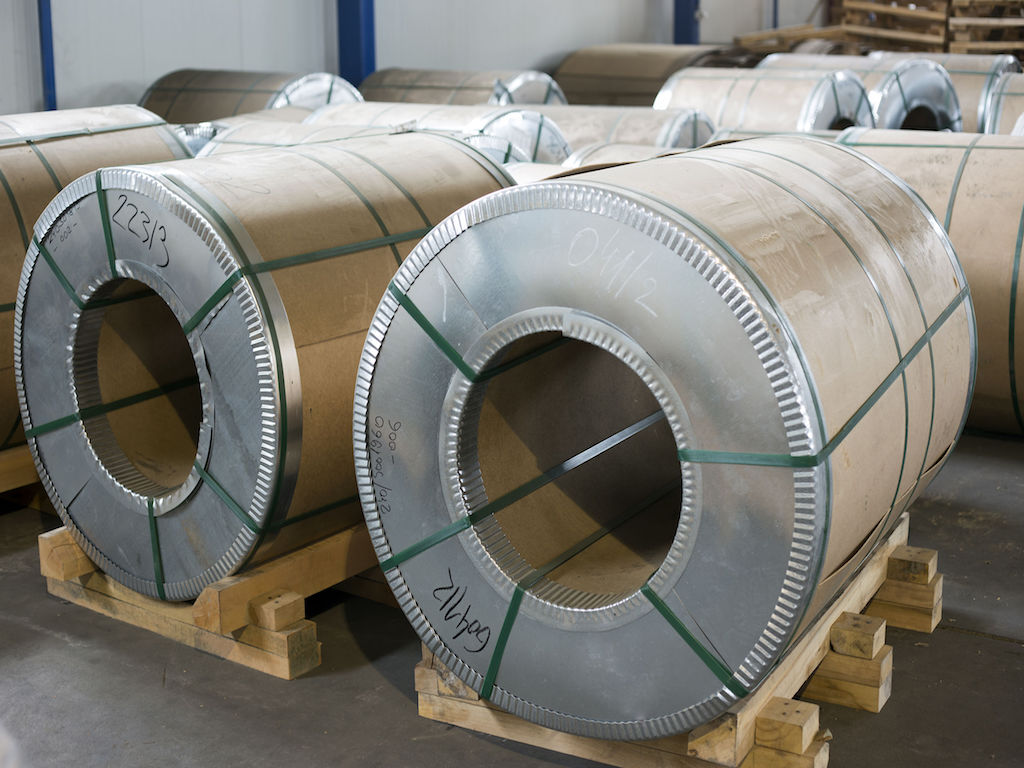
Nickel Alloy AMS 5663 is a high-performance superalloy that engineers and manufacturers turn to when strength, heat resistance, and reliability are essential. Often known as Alloy 718 or Inconel 718, this specification is widely used in aerospace, industrial, and high-stress environments because of its unique combination of properties.
In this blog post, we’ll explore the special properties and characteristics of Nickel Alloy AMS 5663 in a clear and conversational way that’s easy for a Grade 9 reader to understand.
What Is AMS 5663?
AMS 5663 is a material specification that defines how Alloy 718 must be made and treated to meet strict engineering standards. This nickel-based alloy combines nickel, chromium, molybdenum, niobium (columbium), aluminum, and titanium. This mix gives the material its high strength and resistance to heat and corrosion.
The alloy is supplied in a precipitation-hardened (aged) condition — meaning it undergoes special heat treatments to create microscopic structures that make it much stronger than in its soft, untreated form.
Exceptional Strength
One of the most notable characteristics of AMS 5663 is its exceptional strength. After heat treatment, it reaches very high tensile and yield strength values, often around 150 ksi (≈1034 MPa) for yield strength and 185 ksi (≈1276 MPa) for tensile strength.
This means the material can handle heavy loads without deforming or breaking, making it ideal for critical parts in engines and structural systems.
Excellent Creep Resistance
Creep refers to the slow deformation of a material when it’s under stress at high temperatures. AMS 5663 maintains its shape even under long-term heat and stress, which is why it is trusted for high-temperature applications such as turbine discs, compressor parts, and spacecraft components.
Strong Corrosion and Oxidation Resistance
Thanks to its high chromium content (~17–21%), AMS 5663 forms a stable oxide layer that protects it from corrosive environments. This resistance helps it stand up well in moisture, chemicals, and high-temperature oxidation conditions.
While it isn’t the most corrosion-resistant nickel alloy available, its balance of strength and environmental resistance makes it highly versatile.
Good Weldability
Many high-strength alloys lose their properties after welding, but AMS 5663 is designed to retain strength in welded joints if proper procedures are used. This makes it suitable for complex, welded structures — an important feature in aerospace and turbomachinery applications.
High Temperature Stability
AMS 5663 retains much of its mechanical strength up to medium to high temperatures (about 650–700 °C or 1200–1300 °F). This makes it useful in environments where the metal needs to stay strong while operating hot — like in jet engines or industrial gas turbines.
Toughness and Impact Resistance
Another key characteristic is toughness — the ability to absorb energy without cracking. Even at lower temperatures, AMS 5663 maintains good elongation and toughness, helping prevent sudden fractures when the material is under stress.
Stable Microstructure from Heat Treatment
The strength and toughness of AMS 5663 come from careful heat treatment. After solution treatment (heat-soaking at high temperatures), the alloy is aged in a controlled way to create tiny precipitates (γ″ and γ′ phases) that block dislocation movement in the metal crystal structure. These precipitates make the alloy much stronger than it would be otherwise.
Broad Operating Temperature Range
AMS 5663 performs well across a wide temperature range — from very cold (cryogenic) environments to high heat. This makes it ideal for aerospace parts and industrial applications where conditions can change rapidly and vary widely.
Good Fatigue Performance
Fatigue resistance is the ability to withstand repeated cycles of stress without cracking or failure. Because many AMS 5663 applications involve vibration and changing loads (such as aircraft engines), its ability to resist fatigue is a valuable characteristic that helps extend part life.
Reliable and Repeatable Performance
Finally, AMS 5663 is a standardized specification used by engineers and manufacturers to ensure reliable, repeatable material performance. When a part is made from AMS 5663 material, its composition, mechanical properties, and processing history are certified by suppliers, giving confidence in safety-critical applications.
Why AMS 5663 Stands Out
What makes AMS 5663 special isn’t just one property — it’s the combination of high strength, excellent creep resistance, good corrosion resistance, and stable performance at elevated temperatures. Together, these features allow engineers to design parts that operate in some of the toughest environments imaginable.
Whether in aerospace gas turbines, industrial power systems, or high-pressure oil and gas components, this alloy is trusted for both performance and reliability.
Conclusion
Nickel Alloy AMS 5663 stands out because it can do many things well: remain strong under load, resist heat and corrosion, weld reliably, and maintain toughness across a wide temperature range. These special properties and characteristics have made it a cornerstone material in aerospace, industrial, and high-stress applications.
For dependable sourcing and expert guidance on AMS 5663 and other high-performance alloys, consider FlightMetals, the specialty metals supplier known for quality materials and trusted service.
